Graduation project · ITC 2024
Cars that warn each other before drivers see danger
SafeDrive Egypt, an MTI graduation project: real-time warnings between vehicles and roadside units, demonstrated with 3 OBUs and 1 RSU.
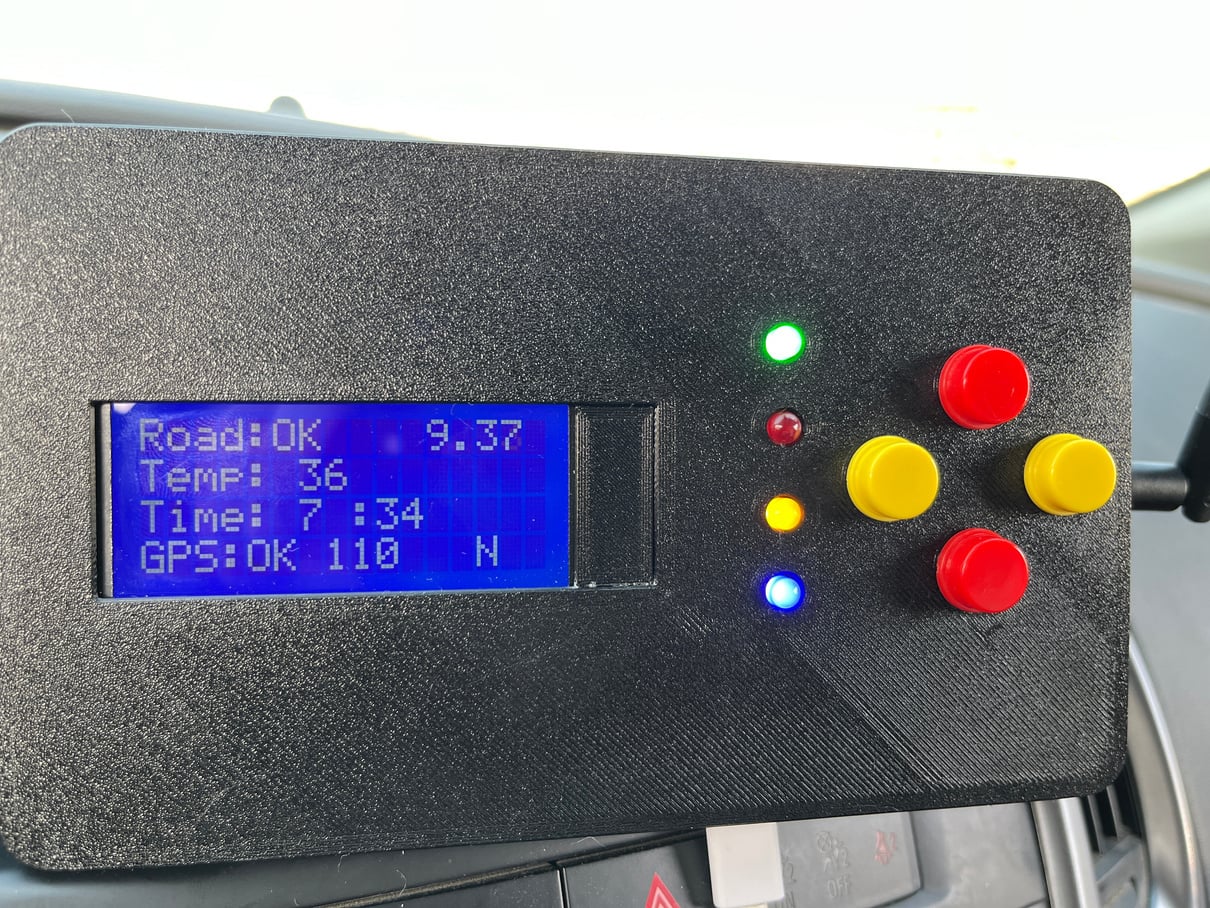
- 3 + 1
- 300 m
- MQTT
- 2nd
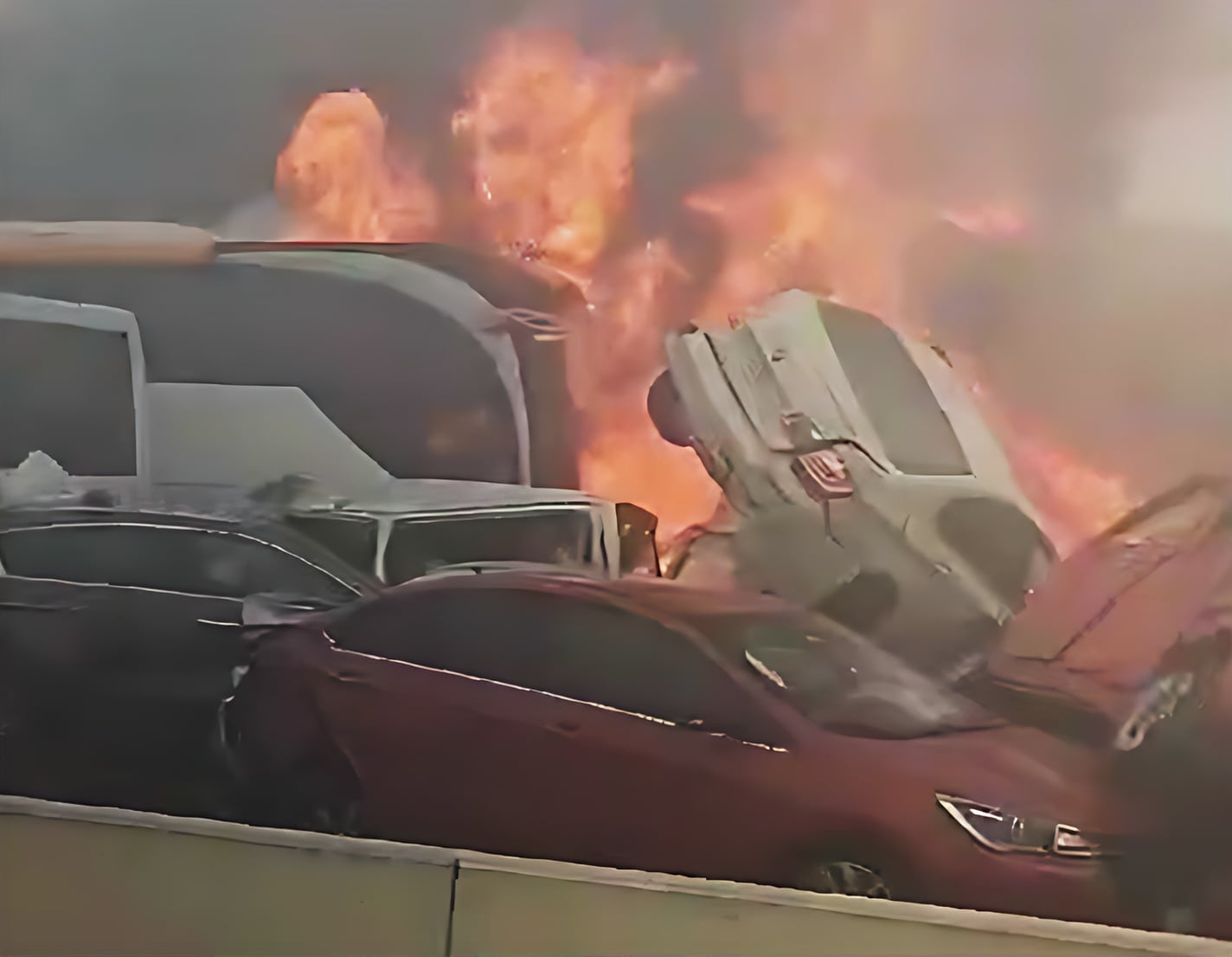
Fog, speed, and no warning
Dense fog caused a multi-vehicle pile-up: 32 people were killed and 63 injured. Earlier warnings change outcomes. This system broadcasts them.
- Pedestrians37.5%
- Drivers24.6%
- Passengers23.6%
- Other14.3%
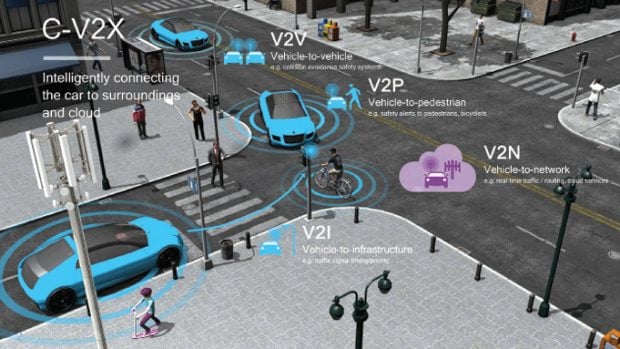
One radio language for the whole road
C-V2X connects cars to surroundings and cloud, so danger anywhere becomes a warning everywhere.
DSRC plus cellular
Dedicated short-range comms with 4G and 5G carry emergency warnings and traffic data.
SafeDrive units
On-board and roadside units talk over direct ESP-NOW and cellular MQTT.
What the system warns about
Every feature does the same thing: a real-time warning goes out to incoming vehicles. The trigger is what differs.
- Accidents and emergency brakes
- A collision or an emergency brake triggers a warning to every vehicle approaching.
- Stationary vehicles, road works and closures
- A stopped vehicle, road works, or a road closure triggers a warning to traffic heading toward it.
- Pedestrian crossings
- A pedestrian crossing the road triggers a warning to approaching vehicles.
Units on the road
Two unit types, two radio links, one shared picture of the road.
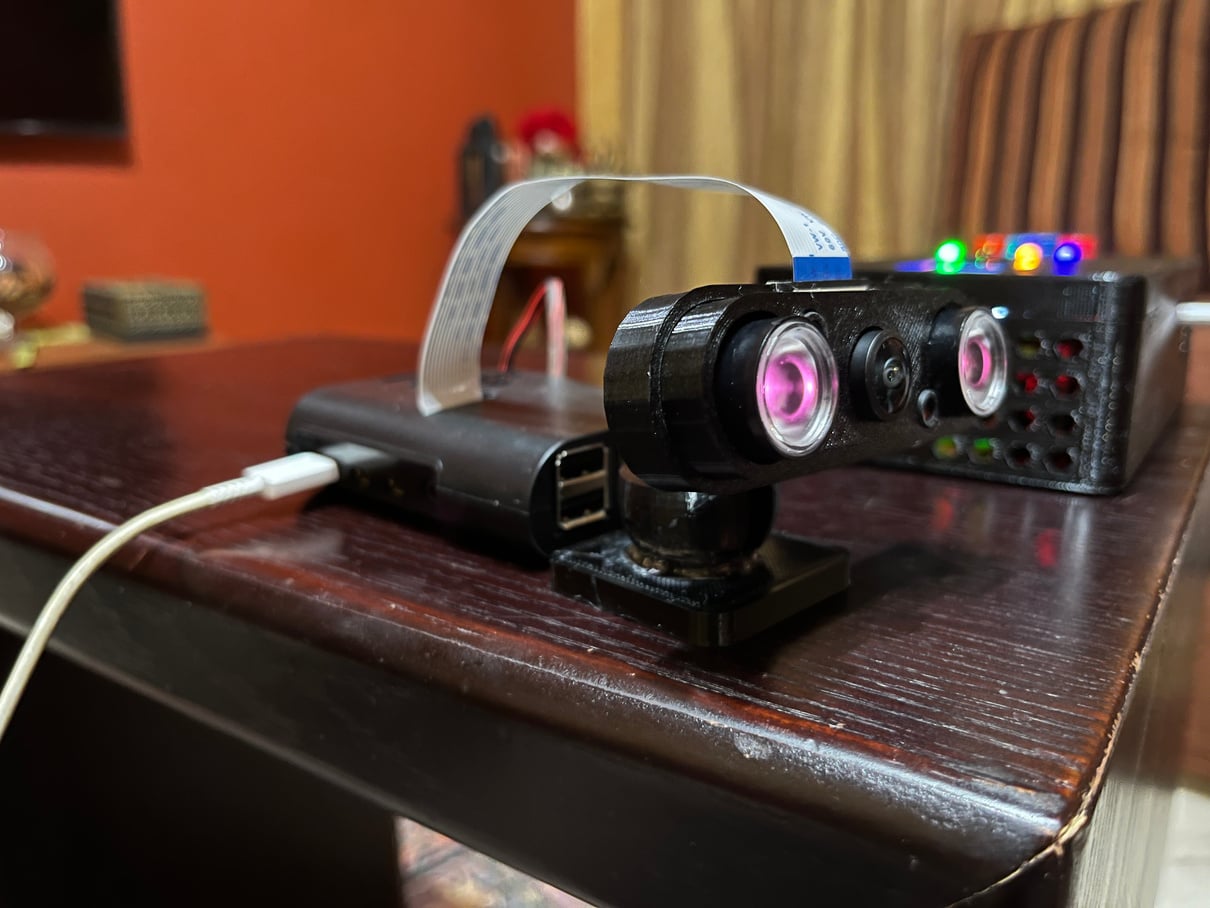
On-board units
Collect and transmit vehicle data: speed, location, sensor readings. Deliver safety alerts to the driver.
Road-side units
Detect pedestrians with AI cameras. Warn nearby on-board units on detection.
ESP-NOW
Low-power direct link within 300 meters. Instant transfer for timely alerts.
MQTT
Lightweight cellular messaging between vehicles, roadside units, and central servers.
Demonstrated live
Three on-board units and one road-side unit talked live, with an admin dashboard watching every message.
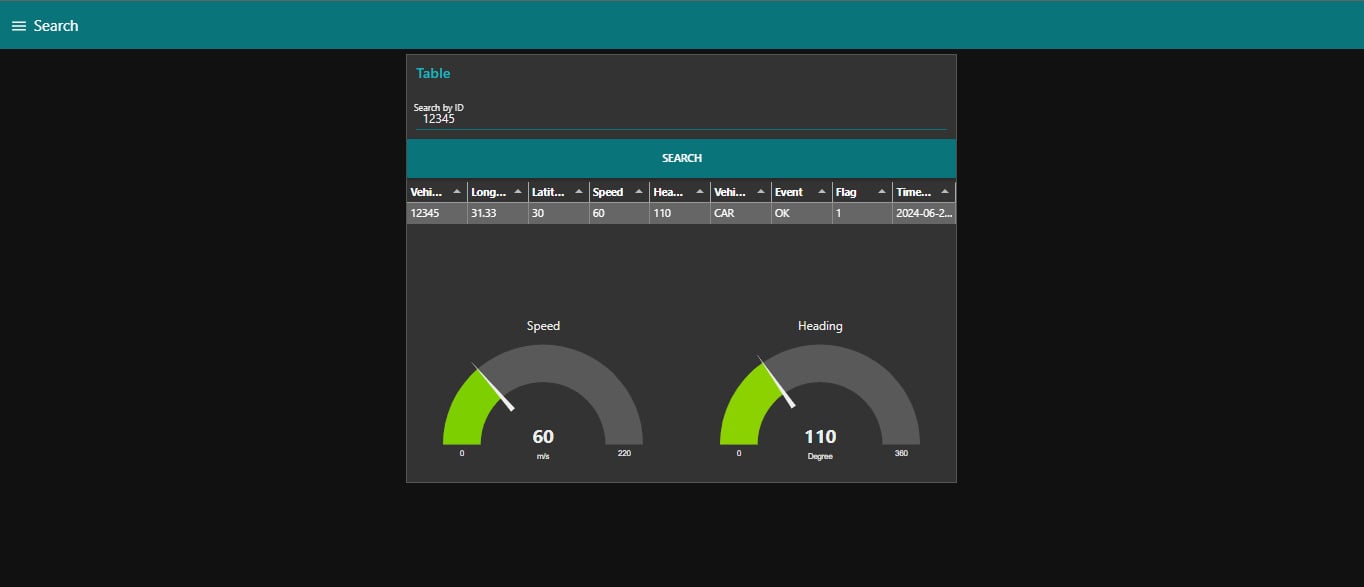
Real-time hazard analysis
Incoming data is analyzed as it arrives to identify hazards.
Warning algorithms
Alerts go out for accidents, emergency braking, road works, and more.
Admin monitoring
A dashboard tracks system performance and every connected unit.
What comes next
The deck closes with four upgrades that take the prototype toward production.
RTOS integration
A real-time operating system for reliability and real-time performance, so safety-critical tasks are processed on time.
FOTA updates
Remote firmware updates for on-board and road-side units, keeping every unit current with features and security patches.
AI pedestrian detection
Training models to spot pedestrians through road-side cameras, so crossings trigger timely warnings.
AI motorcycle detection
Training models to spot motorcycles, the small fast vehicles most often missed.
Built for real roads
The deck cites Precedence Research: the automotive V2X market climbs steeply from 2022 to 2032 across every region.
Rollout
Start with fleets
Public transport and emergency vehicles first, where coverage saves the most lives.
Raise awareness
A public campaign for safer roads and connected driving.
Partner up
Automakers, telecom providers, and government, together.
Business, in three parts
Build
- Automakers, telecom and government agencies, technology providers
- Product development, sales, partnership management, maintenance
- Technical expertise, manufacturing facilities, funding, partnerships
Reach
- Automakers, government agencies, telecom providers, fleet operators
- Direct B2B relationships, customer support, community
- Direct sales, partnerships, digital marketing, trade shows
Money
- Safer roads, smoother traffic, lower costs
- Research, manufacturing, sales, operations
- Subscriptions, partnerships, government funding, service fees
SafeDrive Egypt graduation project, supervised by Dr. Ramy Said Agieb at the Modern University for Technology and Information. Second place, ITC 2024.
Back to all projects